0
1224 - Repossession
1224 - Repossession
Couldn't load pickup availability
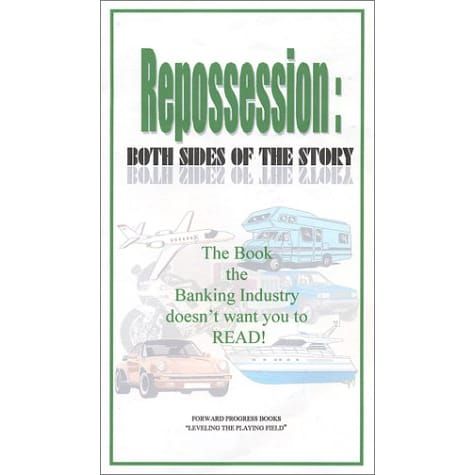
1224 - Repossession offers a bold, multi-faceted look at what happens when a loan goes unpaid and a lender steps in. The cover’s provocative claim, “The Book the Banking Industry doesn't want you to READ,” signals a fearless examination that goes beyond headlines to reveal the human stories, the mechanics, and the consequences of repossession from both sides of the ledger. This is a compelling, print-book exploration built for readers who want clarity, context, and actionable insight in the complex world of consumer finance.
What this book uncovers
Inside its pages, you’ll follow real-life scenarios that illuminate how repossession unfolds in everyday terms—auto loans, mortgages, and other credit arrangements—without losing sight of the people affected. The narrative blends investigative detail with compassionate storytelling, offering a balanced perspective that respects both borrowers’ struggles and lenders’ realities. Expect concrete explanations of the steps involved, from missed payments to the aftermath of a repossession, and the regulatory guardrails that shape each move.
Who should read this
- Anyone navigating debt, loan confusion, or conversations with lenders who want a clearer picture of the process.
- Students and professionals in economics, finance, or consumer rights seeking a grounded, human-centered resource.
- Librarians, educators, and policy advocates looking for accessible case studies that spark thoughtful discussion about credit, risk, and accountability.
Why this book stands apart
What makes 1224 - Repossession distinct is its dual-story approach: the borrower’s quarter of the ledger sits beside the lender’s, yielding a gut-check on assumptions and a more nuanced understanding of how systems influence outcomes. The writing is precise but approachable, turning dense financial concepts into relatable scenarios. It’s an ideal fit for a print-book format in Media > Books > Print Books, designed to be read cover-to-cover in study groups, library shelves, or at home.
Practical insights you can use
- Clear explanations of why repossession happens and what rights borrowers actually have at each stage.
- Strategies for reducing risk before it reaches the repossession stage, including proactive communication with lenders and budgeting tactics that preserve financial stability.
- What to do if repossession occurs: steps to recover, rebuild credit, and plan a smarter financial path forward.
- Discussion-ready material for classrooms or book clubs, with real-world implications for policy, ethics, and consumer protection.
Format and experience
Designed as a thoughtful print book for readers who value substance and context, 1224 - Repossession pairs accessible prose with compelling scenes and practical takeaways. It’s the kind of read that enlightens rather than sensationalizes, turning a difficult topic into a catalyst for informed decision-making and meaningful dialogue about personal finance, accountability, and reform.
Add this title to your collection and explore the conversations it starts—about how repossession really works, who it impacts, and what changes could better balance the interests of borrowers and lenders in the financial landscape.
Share